
Department of Food Technology
-
Started
2019-20
-
Intake
30
-
DTE Choice Code
628350310
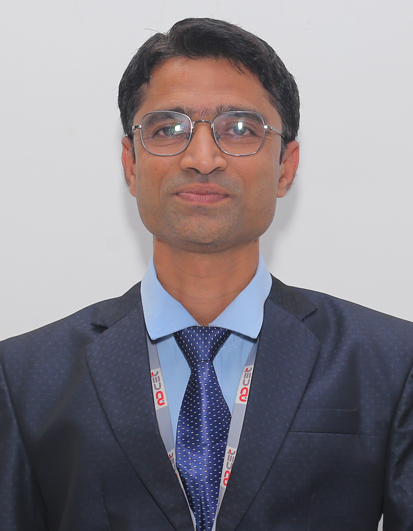
Dr. Siddhanath V. Nishandar
Head of Department
The Department of Food Technology offers B.Tech. Program in Food Technology and deals with a blend of physical, chemical or microbiological techniques and processes for transforming raw ingredients into food and also other forms in food processing industry.
Food processing refers to converting the raw ingredients into edible components or transforming food into other edible forms. Food Technology deals with the various chemical processes that food products undergo to make them consumable and ready to market. Food processors typically take clean, harvested crops or butchered animal products and use them to produce attractive, marketable food products with long shelf-life.
Department of Food Technology at ADCET got established in academic year 2019-20 and offers four year undergraduate (UG) degree program (B. Tech) in Food Technology. The program is started in view of demand from Indian food industries and requirement of specialist in Food Technology research. The aim of department is to produce employable movable graduates by providing skilled Food Technologists to food Industry and research sectors.
Department of Food Technology is having well experience faculty members as facilitator. Department has established connections with various food industries for students internships, trainings, projects and placement. Department is aiming to emerge as well established research center in Food Technology.
Department Vision :
To drive progress in food technology through innovative research and development, aiming to improve food safety, quality, and sustainability while addressing the evolving needs of the global food system."
Department Mission :
We at the Department of Food Technology, ADCET Ashta, are committed to achieve our vision by,
- M1 : To be at the forefront of food technology innovation, pioneering new methods and solutions that set industry standards and enhance the quality and safety of food products.
- M2 : To lead efforts in creating sustainable food technologies that minimize environmental impact, reduce waste, and support a more eco-friendly food production system.
- M3 : To advance technologies that improve nutritional content and contribute to healthier dietary choices, promoting overall well-being and addressing global health challenges.
- M4 : To develop technologies that ensure the availability of safe, nutritious, and affordable food for communities around the world, bridging gaps and improving food security on a global scale.